

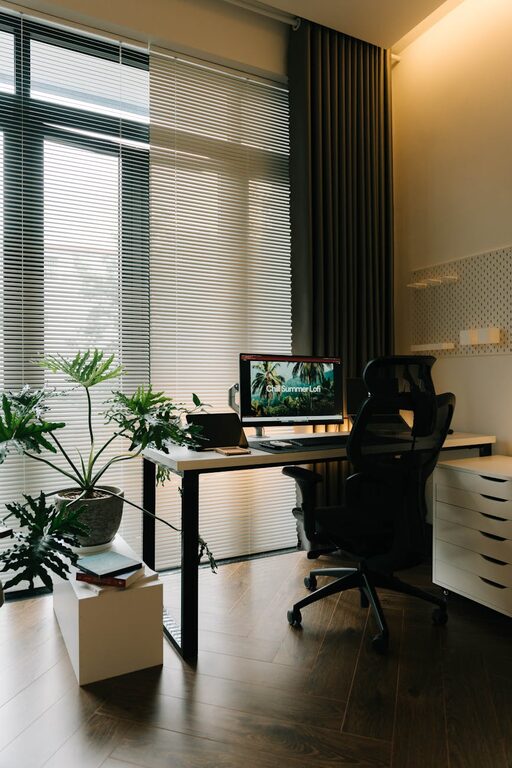
Creating a relaxing home workspace is essential for maintaining focus, reducing stress, and improving your overall workday experience. Whether you work remotely full-time or occasionally need to catch up on tasks, a comfortable and calming environment can make all the difference. Here are some practical tips to help you design a workspace that feels inviting and supports productivity.
1. Choose the Right Location
Your workspace location plays a key role in creating a relaxing atmosphere.
– Natural Light: Set up your workspace near a window if possible. Natural light helps regulate your body clock and can improve mood and energy levels.
– Quiet Area: Pick a spot away from household noise and distractions to maintain focus.
– Space Availability: Ensure there is enough room for your desk, chair, and any equipment or materials you need.
2. Invest in Comfortable Furniture
Comfort is crucial when working for hours each day.
– Ergonomic Chair: Look for chairs that support your lower back, encourage good posture, and are adjustable.
– Desk Height: Your desk should allow you to work with your wrists straight and your eyes level with your screen.
– Footrest and Accessories: Small additions like a footrest or wrist pad can reduce strain and enhance comfort.
3. Keep Your Workspace Organized
A cluttered workspace can lead to a cluttered mind. Here are ways to stay organized:
– Use Storage Solutions: Shelves, drawers, and desk organizers help keep supplies neat and accessible.
– Daily Tidying: Spend 5–10 minutes at the end of each day clearing your desk.
– Cable Management: Use clips and ties to keep cords tidy and avoid a tangled mess.
4. Add Elements that Soothe and Inspire
Infusing your space with calming and motivational touches can boost your mood.
– Plants: Indoor plants improve air quality and create a calming vibe.
– Artwork and Photos: Personalize your area with images or art that make you happy.
– Color Choices: Soft, neutral colors are generally relaxing, but a splash of your favorite color can energize the space.
5. Control Lighting and Screen Glare
Proper lighting reduces eye strain and supports concentration.
– Task Lighting: Use adjustable desk lamps to focus light where you need it without creating glare.
– Screen Position: Place your monitor at an angle that avoids reflections from windows or lights.
– Ambient Lighting: Avoid harsh overhead lights; softer options like floor lamps can create a more soothing environment.
6. Incorporate Soothing Sounds
Sound can play a big role in setting the tone for your workspace.
– White Noise: Machines or apps that create ambient sounds can drown out distractions.
– Music: Gentle instrumental music or nature sounds may help you relax and focus.
– Silence: If you prefer quiet, consider noise-canceling headphones to block external noise.
7. Set Boundaries to Promote Work-Life Balance
A relaxing workspace also comes from clear boundaries between work and personal life.
– Dedicated Workspace: Use a separate room or distinct area to physically separate work from home.
– Defined Work Hours: Establish a routine that signals the start and end of your workday.
– Break Areas: Have a spot nearby where you can take short breaks away from your desk.
8. Maintain Good Air Quality and Temperature
Comfortable air quality and temperature keep you focused and relaxed.
– Ventilation: Open windows regularly or use air purifiers to circulate fresh air.
– Temperature Control: Keep the room at a comfortable temperature, typically between 68°F and 72°F (20°C to 22°C).
Conclusion
Creating a relaxing home workspace takes mindful planning but offers a rewarding boost to your productivity and wellbeing. By choosing the right location, investing in comfort, organizing effectively, adding personal touches, and managing your environment, you can transform any space into a calm, inspiring place to work. Start with small changes and adjust your setup as you discover what helps you feel most focused and relaxed.
Remember, your workspace should support not only the work you do but also your health and happiness. Happy designing!