

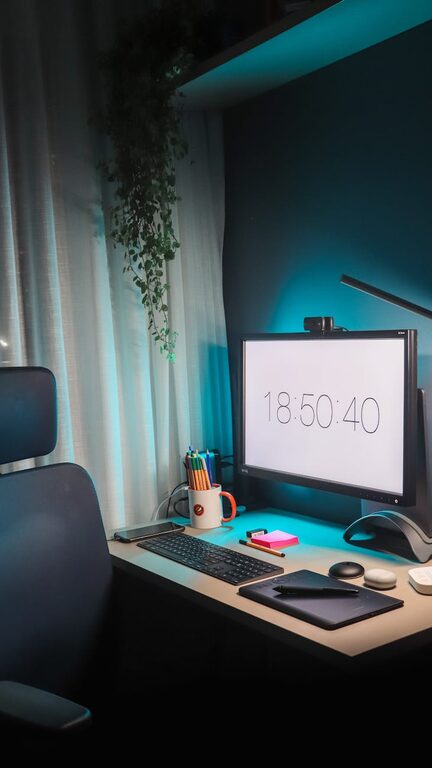
Creating a relaxing home workspace is essential in today’s world, where many people are balancing work and home life under the same roof. A well-designed workspace not only boosts productivity but also helps maintain comfort and reduce stress. Whether you work from home full-time or occasionally, setting up a calming and efficient environment can make a big difference in your daily routine.
Why a Relaxing Workspace Matters
When your workspace feels cluttered, uncomfortable, or uninspiring, it can make tasks feel harder and increase stress. On the other hand, a relaxing and organized workspace promotes focus, creativity, and well-being. It encourages you to stay engaged with your work and helps separate work life from personal life—even if you’re in the same room.
Tips for Designing Your Relaxing Home Workspace
1. Choose the Right Location
Start by selecting a spot in your home that feels peaceful and has minimal distractions. Ideally, this area:
– Receives plenty of natural light
– Is away from noisy rooms or high-traffic areas
– Offers enough space for your equipment and movement
If you don’t have a dedicated room, try to find a quiet corner with good lighting and some privacy.
2. Invest in an Ergonomic Chair and Desk
Comfort is key to staying productive without physical discomfort. An ergonomic chair provides:
– Proper lumbar support
– Adjustable seat height
– Comfortable padding
Pair this with a desk that fits your space and allows you to work without hunching or stretching. Adjustable desks that let you alternate between sitting and standing can also be a great option.
3. Use Calming Colors and Décor
Colors affect mood and concentration. Soothing tones like soft blues, greens, and neutrals can create a relaxing atmosphere. Avoid overly bright or harsh colors that may cause strain.
Add some personal touches such as:
– Plants, for a touch of nature
– Art or prints that inspire
– Organized shelves or containers to keep clutter at bay
4. Manage Lighting Carefully
Good lighting reduces eye strain and helps maintain energy. Aim for a mix of:
– Natural light during the day
– Warm ambient lighting for a cozy feel
– Task lighting focused on your work area, such as an adjustable desk lamp
Avoid harsh overhead lights and glare from windows on your screen.
5. Keep Your Workspace Organized
A cluttered desk can distract and overwhelm. Use these ideas to stay organized:
– Drawer organizers and trays for stationery
– Cable management tools to reduce tangles
– Shelves or storage boxes to clear surfaces
Spending a few minutes each day tidying up can keep your space calm and functional.
6. Minimize Noise and Distractions
Background noise and interruptions can break your concentration. Consider:
– Noise-canceling headphones or soft instrumental music
– A door or divider to reduce visual distractions
– Communicating boundaries to household members during work hours
If complete silence isn’t possible, gentle background sound can actually help some people focus better.
7. Incorporate Relaxation Elements
Make your workspace inviting by adding elements that promote calm and mental breaks:
– A small diffuser with essential oils like lavender or peppermint
– A comfortable cushion or footrest
– A water bottle or herbal tea to stay hydrated
– Stress balls or fidget tools for brief moments of relief
These extras encourage a balanced work rhythm.
8. Personalize Your Technology Setup
Ensure your computer, keyboard, and mouse fit your ergonomic needs and preferences. Adjust screen brightness and font size for comfort. Setting up multiple monitors or using a laptop stand can reduce strain and improve workflow.
9. Establish a Routine and Boundaries
Physical design matters, but having a steady routine also supports productivity and relaxation:
– Set regular work hours and breaks
– Use daily to-do lists to stay on track
– Turn off work notifications when not working
These habits help your mind associate the workspace with focus and calm.
Conclusion
Creating a relaxing home workspace is about balancing comfort and function. With attention to location, furniture, color, lighting, organization, and personal touches, you can build an environment that makes work more enjoyable and productive. Small changes can have a big impact on how you feel each day, helping you stay motivated and comfortable in your home office. Start with a few tips today and see how your workspace transforms!