

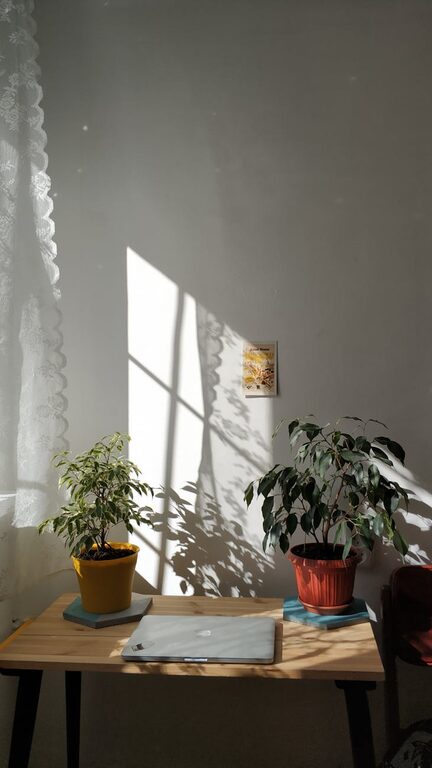
Creating a relaxing home office environment can significantly improve your productivity, focus, and overall well-being while working from home. Whether you have a dedicated room or just a small corner, designing a space that feels comfortable and calming is essential to maintain a healthy work-life balance. Here are some practical tips to help you create a home office that supports both your professional and personal needs.
1. Choose the Right Space
Finding the ideal spot for your home office is the first step to creating a relaxing environment.
– Natural light: Aim for a space with plenty of natural light. Sunlight helps boost mood and energy levels, making it easier to stay alert and motivated.
– Away from distractions: Pick a quiet area away from busy household zones, like the kitchen or living room, to minimize interruptions.
– Comfortable size: Even a small space can work well; ensure it’s big enough for your desk, chair, and any essentials, allowing freedom of movement.
2. Invest in Comfortable and Ergonomic Furniture
Your comfort impacts your ability to concentrate and work effectively.
– Ergonomic chair: Choose an adjustable chair that supports your back and encourages good posture to prevent discomfort.
– Desk height: Make sure your desk is at a comfortable height to avoid strain on your wrists and shoulders.
– Organized setup: Position your computer screen at eye level to reduce neck strain, and keep frequently used items within arm’s reach.
3. Use Calming Colors and Décor
Colors and décor influence your mood and productivity.
– Soothing colors: Opt for soft, neutral hues like light blues, greens, or pastels which are known to reduce stress.
– Minimalist design: Keep décor simple and clutter-free to promote a calm atmosphere.
– Personal touches: Add a few meaningful items like plants, artwork, or photos that inspire you without overwhelming the space.
4. Keep Your Workspace Organized
Clutter can increase stress and reduce focus, so maintaining an organized workspace is key.
– Storage solutions: Use shelves, drawers, or organizers to keep documents and supplies tidy.
– Daily tidying: Spend a few minutes each day clearing your desk to maintain order.
– Digital organization: Regularly clean and organize your computer files and emails to reduce digital clutter.
5. Incorporate Natural Elements
Bringing nature indoors can enhance relaxation and creativity.
– Houseplants: Adding greenery improves air quality and brings a soothing, natural vibe.
– Natural materials: Wooden furniture or bamboo accessories add warmth and texture to your office.
– Nature sounds: Consider playing soft background sounds like rain or birdsong through an app to create a peaceful ambiance.
6. Manage Lighting Wisely
Good lighting is crucial for a comfortable and productive workspace.
– Task lighting: Use adjustable desk lamps to ensure adequate lighting for focused work.
– Avoid glare: Position your computer screen to avoid reflections from windows or lights.
– Soft overhead lights: Warm white bulbs help create a cozy atmosphere without harshness.
7. Set Boundaries for Work and Rest
Separating your work area mentally and physically helps preserve relaxation.
– Defined hours: Establish clear work hours and stick to them to prevent burnout.
– Break spots: Designate a separate space or corner for breaks and relaxation.
– Turn off distractions: Silence work notifications and close work apps when you’re off the clock.
8. Add Aromatherapy and Comfort Items
Small comforts can make your office a more pleasant place to be.
– Essential oils: Scents like lavender, eucalyptus, or peppermint can help reduce stress and increase focus.
– Comfort accessories: Keep a cozy blanket or cushion nearby for moments when you need extra comfort.
– Water and snacks: Staying hydrated and nourished supports concentration and well-being.
9. Personalize Your Workspace with Meaningful Objects
Incorporating meaningful objects can make your home office feel inviting.
– Inspirational quotes: Display quotes or affirmations to keep you motivated.
– Artworks and photos: Add visuals that bring joy or calm.
– DIY elements: Create or add personal crafts or items that reflect your personality.
—
Giving yourself the gift of a relaxing home office doesn’t require a complete overhaul — sometimes small changes make the most significant difference. By considering your space, comfort, lighting, and personal touches, you can design a home office that supports both your work and wellbeing. Start small and adjust your environment over time to discover what works best for you.