

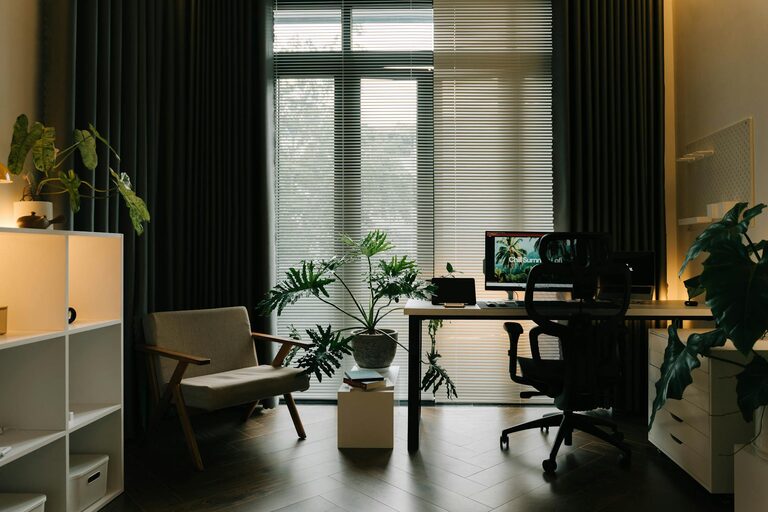
Creating a cozy and functional home office space is essential for anyone working from home or needing a dedicated area for tasks and projects. A well-designed office boosts productivity, reduces distractions, and provides a comfortable environment where you can focus and feel inspired. Whether you have a whole room or just a corner, these practical tips can help you craft a workspace that’s inviting and efficient.
Choose the Right Location
Consider Natural Light and Noise Levels
Start by selecting the best spot in your home. Ideally, look for a space with plenty of natural light, which has been shown to improve mood and focus. If natural light is limited, make sure to have good artificial lighting to reduce eye strain.
Also, pick a quiet area or use noise-canceling elements like rugs, curtains, or white noise machines to minimize distractions from household noise.
Think About Space and Privacy
If possible, dedicate a separate room for your office to create a boundary between work and home life. If that’s not an option, try using room dividers or screens to define your workspace and maintain privacy.
Invest in Ergonomic Furniture
Choose a Supportive Chair
Comfort is key for long work hours. Invest in an ergonomic chair that supports your back and encourages good posture. Adjustable chairs allow you to customize the height and angle for your comfort.
Pick an Adequate Desk
Your desk should have enough surface area for your computer, notebooks, and other essentials without feeling cluttered. Adjustable or standing desks are popular options that allow you to change positions throughout the day.
Optimize Your Layout for Functionality
Keep Frequently Used Items Within Reach
Place your phone, notepads, pens, and other commonly used items close to you. This minimizes interruptions and keeps your workflow smooth.
Use Vertical Space Wisely
Shelves, pegboards, and wall organizers can free up desk space while keeping items organized and accessible. Vertical storage is especially helpful in smaller work areas.
Create Zones for Different Tasks
If your work involves multiple activities, such as computer work, reading, or calls, try to design separate zones to help your brain switch focus effectively.
Manage Lighting Effectively
Good lighting improves focus and reduces eye strain.
Combine Ambient and Task Lighting
Ambient lighting provides overall illumination, while task lighting, like a desk lamp, focuses on your work area. Adjustable lamps allow you to direct light where you need it most.
Reduce Glare and Shadows
Position your computer screen to avoid glare from windows or lights. Use curtains or blinds to control sunlight during the brightest times.
Personalize Your Space to Boost Comfort
Add Soft Textiles
Blankets, cushions, or rugs can add warmth and softness. These elements make your office feel less sterile and more inviting.
Include Greenery
Plants not only brighten the space but can also improve air quality and reduce stress. Choose low-maintenance varieties like succulents or pothos if you’re not a green thumb.
Display Inspiring Items
Photos, artwork, or motivational quotes can personalize your office and boost your mood and creativity.
Stay Organized
Implement Smart Storage Solutions
Drawers, baskets, and boxes help keep clutter at bay. Label storage containers so you can quickly find what you need.
Use Cable Management
Tidy cables can improve both safety and appearance. Use clips, sleeves, or under-desk trays to organize cords.
Schedule Regular Clean-ups
Set aside time weekly to declutter and keep your space neat. A clean environment helps you focus and feel more relaxed.
Maintain a Comfortable Climate
Extreme temperatures can be distracting. Use a fan, heater, or humidifier to keep the air comfortable depending on the season. Good ventilation also promotes alertness.
Add Technology that Supports Your Workflow
Invest in quality equipment like a reliable computer, printer, or headset. Make sure you have a strong internet connection to avoid frustrating slowdowns.
Set Boundaries Between Work and Rest
Having a specific location and setup for work helps your brain separate work time from personal time. At the end of the day, pack away work materials if possible to signal that work is done.
—
By combining these tips, you can create a home office that’s not only practical but also cozy and welcoming. A thoughtfully designed workspace supports your productivity and wellbeing, making your work-from-home experience better every day.